

As educators, we understand that technology is now central to teaching and learning. Yet with these powerful tools come important responsibilities. The latest EdTech Exchange session, facilitated by IT trainer Madame Katusiime Apofia, provided clear, actionable strategies to help schools protect learners while ensuring that every child can safely benefit from digital technologies.
“Digital technologies are currently transforming education and everyday life, but they also it introduces risks and inequalities. So we need to address them. If we don’t address the risks, then we shall be doing more harm than good,” she asserted.
Children face real online risks, including exposure to inappropriate content, data misuse, grooming through platforms like WhatsApp, and cyberbullying. At the same time, many learners, especially those with disabilities, in refugee settings, or in under-resourced communities, still struggle to access digital tools fairly.
The good news is that these challenges can be managed effectively through consistent policies, practical actions, and collaboration.
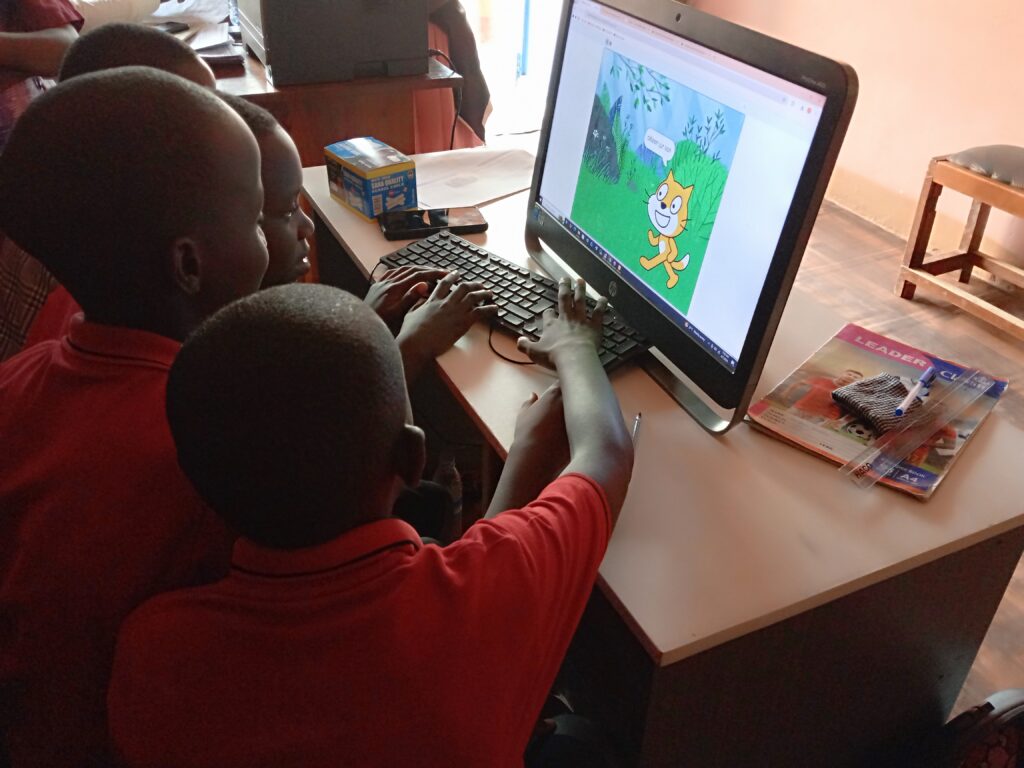
Practical guidelines you can implement immediately
1. Secure device access and usage
- Set strong passwords on all school and home devices used by learners.
- Establish clear screen-time rules and supervise younger children.
- Install updated antivirus software and enable firewalls.
- Use content filters to block inappropriate websites on school networks.
2. Teach responsible digital citizenship
- Train learners to verify information before sharing it.
- Show them how to create and manage strong passwords.
- Teach them to recognise suspicious messages and requests.
- Introduce child-friendly search tools and safe browsing habits.
3. Prevent and address cyberbullying
- Educate learners on what cyberbullying looks like and its impact.
- Create simple, well-known reporting channels in your school.
- Respond promptly to incidents and support affected learners.
- Involve parents early and apply consistent consequences.
4. Build trust with learners
Apofia went ahead to add that when learners trust their teachers, they are far more likely to report uncomfortable online experiences.
“If we don’t make these learners trust us, they will never tell us anything. So we need to make them our friends and encourage them, such that they have this kind of trust that they see us as their mentors.”
5. Promote inclusion for every learner
- Choose accessible digital tools and platforms.
- Provide alternative options for learners with disabilities.
- Support students in low-connectivity areas with offline resources.
- Ensure digital materials consider different learning needs and backgrounds.
A shared responsibility
Digital safety works best when teachers, parents, school leaders, and the wider community work together. Regular parent engagement sessions and clear school ICT policies are essential.
As a community, we should strive for balance by encouraging the use of technology for learning while maintaining firm safety boundaries. Digital safety is not a one-time activity; it is an ongoing process that should be part of your school culture.
Take Action Today
By applying these practical steps, we can harness the power of technology while keeping our learners safe, confident, and included. Moving forward;
- Review or create your school’s Digital Safety Policy this term.
- Conduct a short digital safety lesson with your learners this week.
- Join the next EdTech Exchange every Wednesday at 5:30 PM.
Watch the full session below;
Are you an educator interested in being part of our growing community? Visit EduTech Teachers Network to explore Associate, Delegate, or Institutional membership options, as well as explore our Edify EdTech Clubs Course for more hands-on support and resources.
Leave a Reply