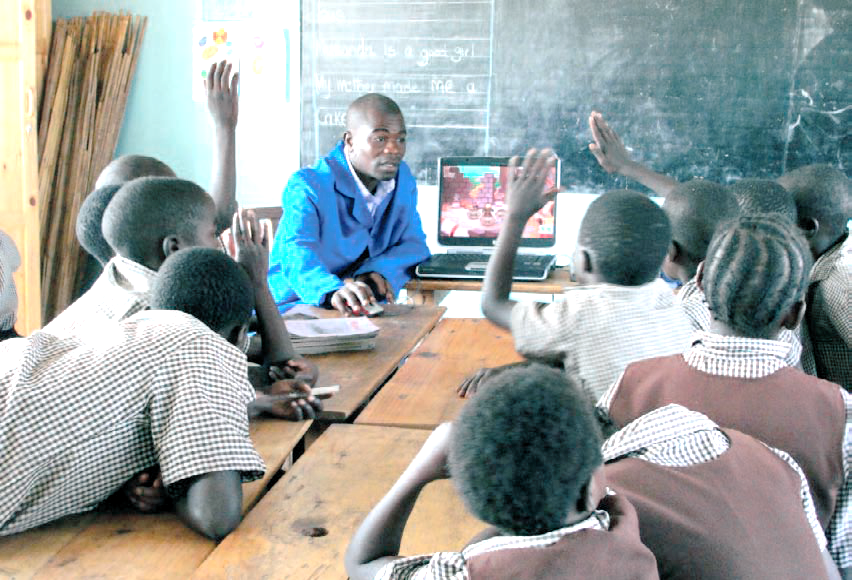
In this digital age, tools like computers, projectors, tablets, smartphones, educational apps, and online resources are changing how we teach and how our learners learn. In Uganda, with our fast-growing population and the national push towards Vision 2040 and NDP III, bringing ICTs into our schemes of work and lesson plans is no longer a luxury; it’s becoming essential.
It helps us build real 21st-century skills, improve learning outcomes, and prepare our young people for today’s digital world. In this article, I will walk with you through why this matters, what the national policies say, the benefits we can expect, the real challenges we face, and most importantly, simple, practical ways to get started.
The National Push for Digital Education
Uganda is making good progress in recognising ICT as a powerful driver for better education. The Education Digital Agenda Strategy 2021–2025 (with ongoing roadmaps and extensions) gives us a clear framework for using technology in teaching, learning, assessment, and even school administration.
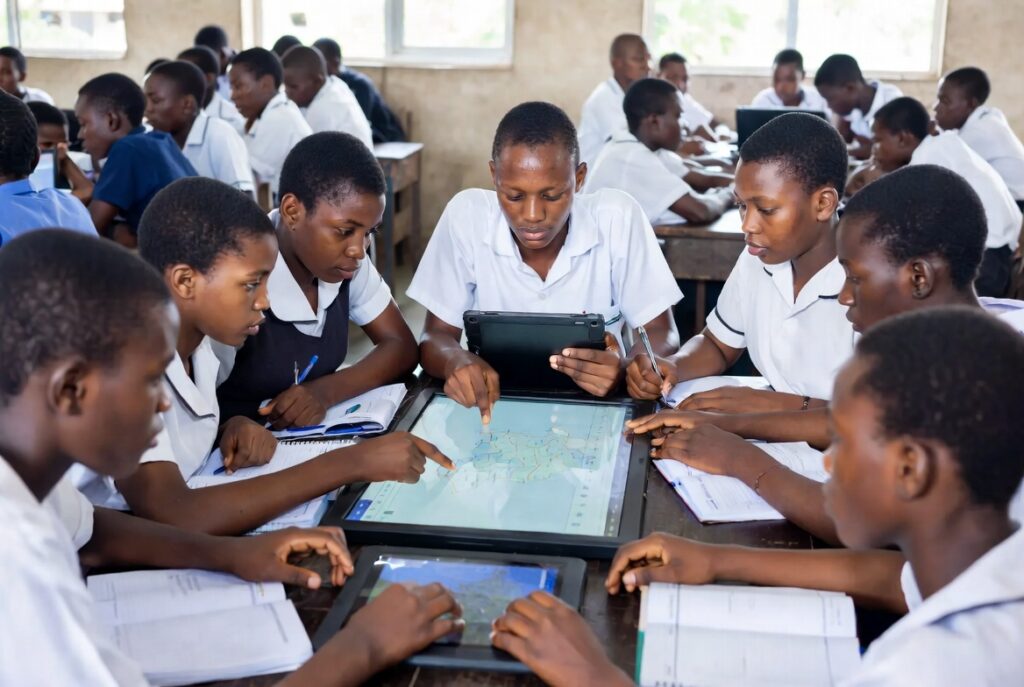
It aligns well with NDP III’s focus on developing human capital. There’s also the Contextualised Uganda ICT Competency Framework for Teachers (CICT-CFTU), which helps guide our training and professional growth. Recently, we’ve seen more teacher training programmes on ICT integration, especially in the Lower Secondary Curriculum, plus efforts to share digital resources.
Of course, issues like infrastructure and clear guidelines on device use are still there, but the direction from the Ministry is loud and clear: ICT should move from the sidelines and become part of everyday curriculum delivery.
Why We Need to Plan ICT Integration Deliberately
A scheme of work is basically our termly or yearly roadmap. It shows topics, objectives, activities, resources, and how we’ll assess learning. Lesson plans then break that down into day-to-day or weekly sessions.
As we embrace digital tools in our classrooms, one thing is very clear: ICT integration doesn’t just happen by chance. It needs deliberate planning and thoughtful inclusion right from the moment we develop our schemes and lesson plans.
When preparing a lesson, we’re always looking for low-cost teaching and learning resources. The truth is, some specimens and materials are expensive, perishable, or simply hard to find, especially in rural schools. This is where ICTs become a real lifesaver!
They can help us reduce costs in the long run. Instead of struggling to get physical specimens for science lessons, we can use good-quality videos, 3D simulations, virtual labs, online images, or animations. It saves money, time, and a lot of headaches, while making the lesson more engaging and something we can use again and again. Other clear benefits include:
- Higher learner engagement and better retention through interactive content.
- Access to fresh, up-to-date, and locally relevant materials
- Building digital literacy, collaboration, research, and problem-solving skills.
- More personalised and inclusive learning, even in low-resource or rural settings, especially with offline options.
- Quick and efficient assessment using digital quizzes and instant feedback.
Practical Ways to Integrate ICTs
1. In Your Schemes of Work
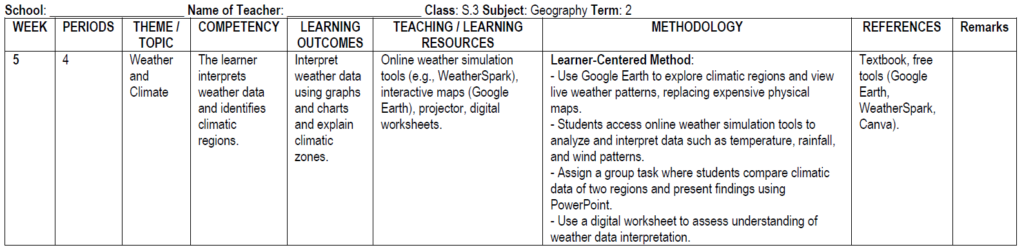
- Be deliberate: For each topic, list both traditional and digital resources side by side. For units that need rare specimens (like certain plants, rocks, or organs in biology), simply note: “Use virtual dissection simulation or pre-downloaded video” as a low-cost alternative.
- Add competency-based activities that fit Uganda’s Lower Secondary Curriculum – things like collaborative digital projects or guided online research.
- Think about sustainability: Always include offline alternatives (content saved on USBs or DVDs) and low-cost options like solar-powered projectors, especially for rural schools.
- Set time for team reviews with other teachers so you can share cost-saving ICT ideas and keep schemes fresh.

2. In Your Lesson Plans
The golden rule: ICT use must be purposeful and clearly linked to your learning objectives. Don’t add technology just for the sake of it. Ask how it actually supports the lesson. Sample Integrated Lesson Plan (Primary 6 General Science – Uganda’s Wildlife)
- Class: Primary 6
- Topic: Uganda’s Wildlife (80-minute lesson)
- Objectives: By the end of the lesson, learners will be able to describe Uganda’s diverse wildlife.
- Resources: Uganda Wildlife website or app, shared tablets/smartphones (or teacher’s device + projector), pre-downloaded videos for areas with poor connectivity, and a simple quiz tool like Google Forms.
Lesson Flow:
- Introduction (10 min): Project a short, exciting wildlife video or animation to hook the learners.
- Exploration (20 min): In pairs or small groups, learners browse the Uganda Wildlife site or view saved images/videos and note key information.
- Group Activity (25 min): Groups research specific animals, tabulate findings, and discuss adaptations or conservation. Use ICT to show clear visuals of specimens that would be difficult or expensive to bring into class physically.
- Presentation & Discussion (15 min): Groups share their findings using the projector or simple digital slides.
- Assessment (10 min): A quick digital quiz for self-assessment and immediate teacher feedback.
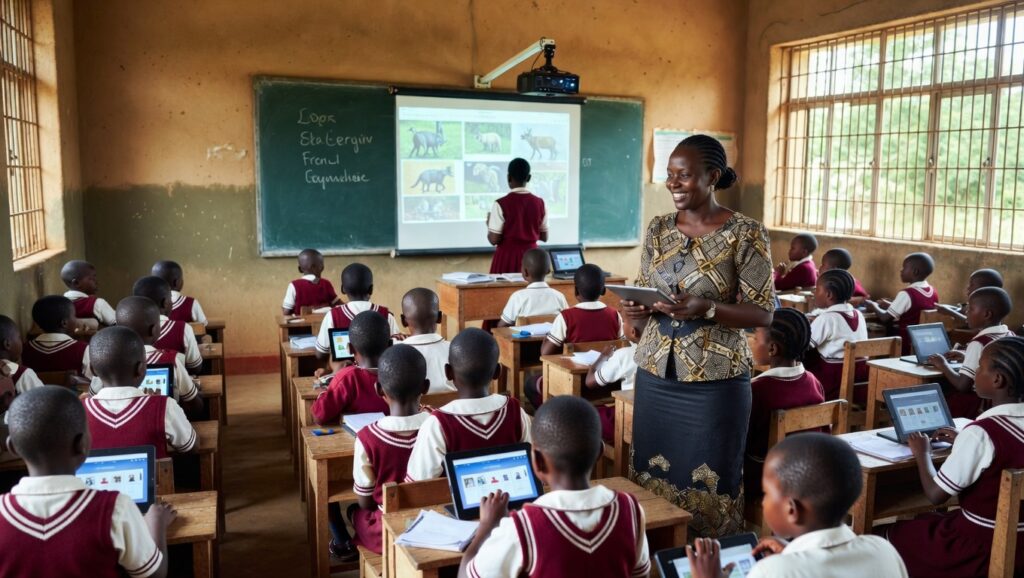
This kind of lesson shows how thoughtful ICT use can bring abstract or hard-to-access topics to life while keeping costs down. Quick Tips for Lesson Plans:
- Start small and simple. Use free tools like educational YouTube channels, Khan Academy, offline apps, or materials from the National Curriculum Development Centre (NCDC).
- Make your success criteria clear (e.g., “Learners will use digital visuals to explain…”).
- Always have a Plan B for days when devices or power aren’t available.
- At the end of the lesson, take a minute to reflect: What worked well? Did we save on resources? What should we adjust in the scheme of work?
The real challenges we face
Integrating ICT isn’t always smooth. Many schools, especially in rural areas, struggle with unreliable electricity and internet, not enough devices for the number of students, and gaps in teacher training. Initial setup costs can also feel heavy.
A lot of us still depend on generators, solar power, or fully offline solutions. The good news? The Digital Agenda Strategy recognises these realities and is pushing for phased improvements in infrastructure, teacher capacity building, and more localised digital content. In the meantime, smart, low-cost and offline strategies can help us move forward.
Let’s get started together
Integrating ICTs into our schemes of work and lesson plans is one of the most powerful ways we can improve teaching quality, cut long-term costs, and give our learners the skills they truly need. With deliberate planning, just as our national strategies encourage, digital tools can make lessons more lively, accessible, and sustainable, even when physical resources are scarce.
It all begins with updating one scheme of work and trying a fresh lesson plan. Let’s encourage one another and make purposeful ICT integration the normal way we teach in Ugandan classrooms. What’s one small ICT step you’re planning to try this term? Feel free to share your experiences in the comments, we learn best when we learn together!
This article was produced by Edutech Teachers’ NetWork.
Leave a Reply