


Many schools in Uganda have ICT clubs, but too often they exist only on paper or meet irregularly with little visible impact. What changes when these clubs are deliberately and purposefully structured?
In the recent EdTech Exchange Webinar, Ogwal Isaac, Head of ICT Department at Ndejje Senior Secondary School, shared clear, practical insights on turning ICT clubs into powerful spaces for learner growth, innovation, and digital competence.
This article distils the key takeaways as a step-by-step guide to help you strengthen or establish an effective ICT club in your school.
The importance of ICT clubs.
Well-structured ICT clubs go far beyond random computer use or basic typing practice. They become engines for developing practical skills, fostering innovation, and building a vibrant digital culture in the school. As Ogwal Isaac emphasised.
When done right, these clubs shift learners from being passive consumers of technology to active creators and problem-solvers.
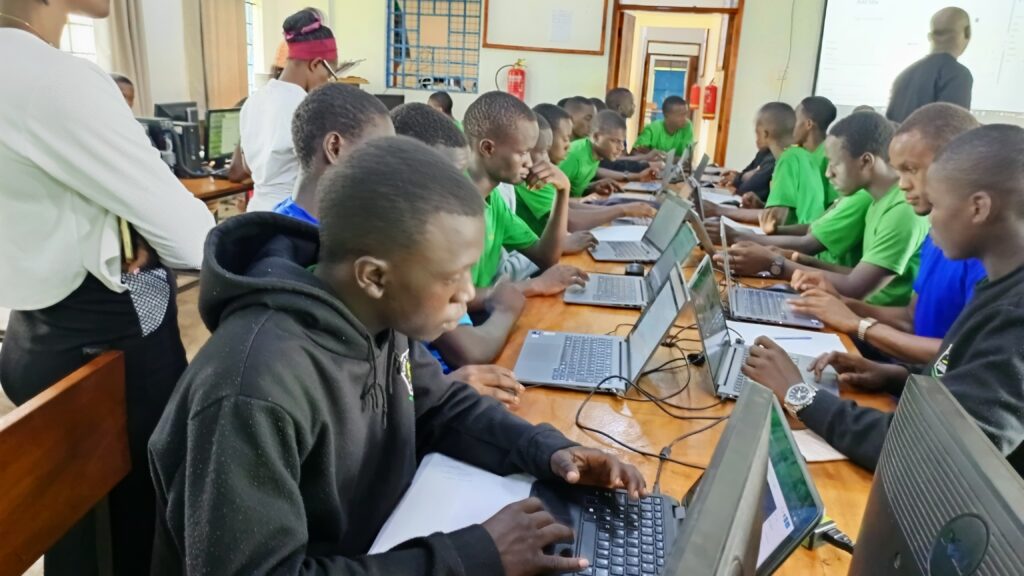
One of the strongest reasons to invest in purposeful ICT clubs is their natural alignment with Uganda’s Competence-Based Curriculum (CBC). In the classroom, learners often focus on theory and basic digital literacy.
In a well-run ICT club, they apply and extend those concepts through real projects such as developing simple applications, creating digital content, automating simple processes, or solving community problems using technology.
This hands-on approach strengthens key competences, including critical thinking, problem-solving, collaboration, creativity, and digital citizenship.
What effective ICT clubs look like
Success does not depend primarily on the number of computers available. It depends on clarity of purpose and intentional structure. Key elements include:
- Clear goals known to everyone
- Learner leadership and ownership with defined roles
- Project-based activities instead of unstructured sessions
- Inclusivity, especially for girls and beginners
- Proper documentation, portfolios, and public recognition

Ogwal shared practical ways he motivates and grows participation at Ndejje SSS. One powerful strategy is the Wall of Fame in his office. He explained that learners who actively participate have their photos displayed on what the students themselves named the “Wall of Fame.” This simple idea creates strong motivation because every learner wants to see themselves on that wall. He added an important condition, “You will only appear on my Wall of Fame only and only if you are an active member.”
Another effective recognition method he uses is inviting the Principal to personally shake hands and congratulate students during certificate presentations. This small but powerful gesture gives learners a strong sense of achievement and makes them feel valued by the entire school leadership.
These low-cost, high-impact ideas show how personal encouragement and visible recognition can dramatically increase learner ownership and sustained participation.
Practical steps to structure your ICT club
- Develop a simple club constitution with clear roles and an activity calendar.
- Hold regular meetings with planned agendas and reflection time.
- Start small with achievable projects and scale gradually.
- Link club activities to classroom learning where teachers act as mentors, not controllers.
- Involve school leadership by inviting them to exhibitions and recognition events.
Reflection questions for your school:
- Is our ICT club truly learner-led?
- Are we producing tangible projects and visible skills growth?
- How are we recognising and celebrating active members?
Final Thoughts
When ICT clubs are purposefully structured, they transform learners into confident digital creators and responsible citizens instead of mere users of technology. A strong ICT club becomes one of the most powerful tools for deepening competence-based learning and fostering innovation.
Watch the full webinar recording to hear more practical examples and insights directly from Ogwal Isaac, including his personal strategies for motivation and recognition
Ready to strengthen your school’s ICT club? Join the EduTech Teachers Network and explore our Edify EdTech Clubs Course for more hands-on support and resources. Share your own experiences or questions in the comments below. Let’s learn from each other and build stronger ICT clubs across our schools.
Leave a Reply