In a world flooded with digital content, the greatest opportunity for learners is not just to consume information, but to create it.
This was the central message during Episode 11 of the EdTech Exchange Series, where educators gathered virtually to explore how multimedia projects can transform teaching and learning in the digital age.
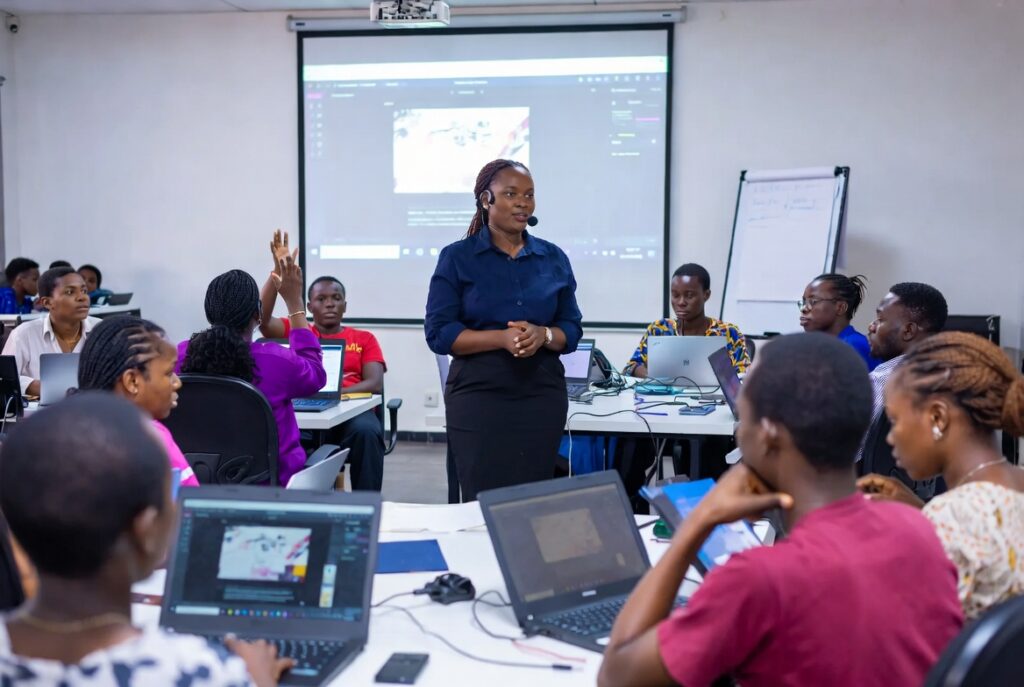
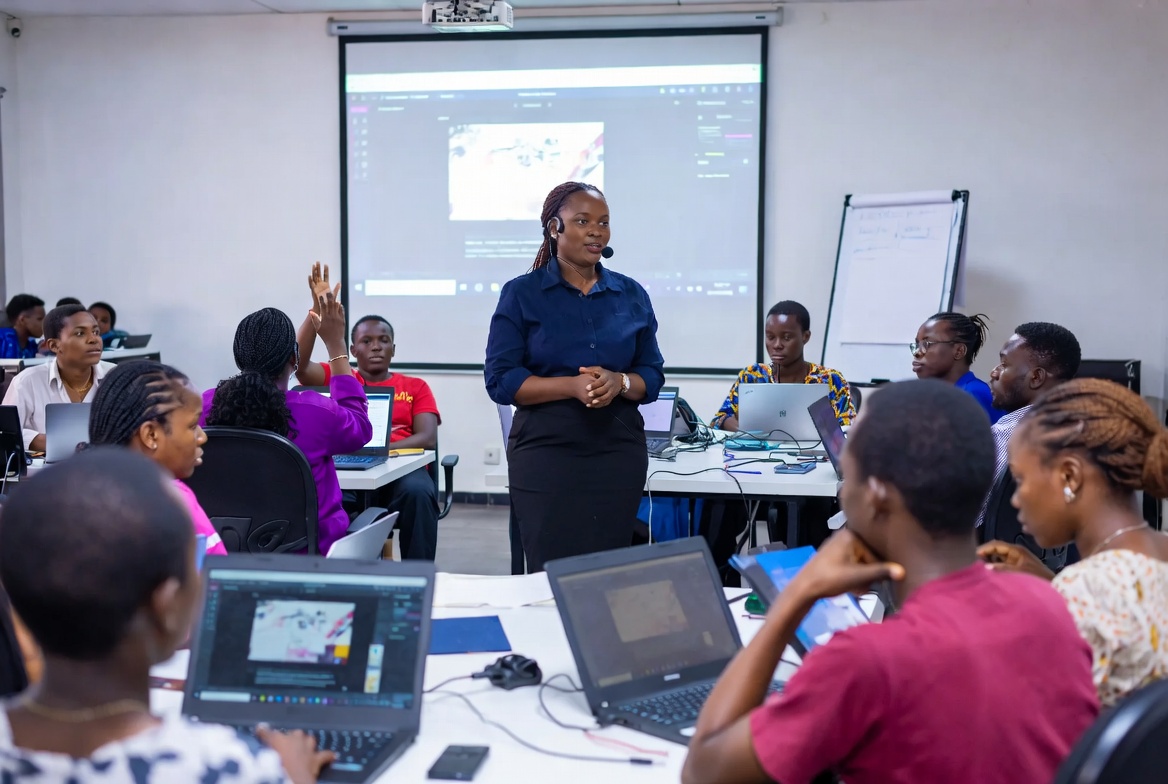
The session, titled “Creating Creative Multimedia Projects,” was facilitated by George Emorut, Deputy Secretary General of EduTech Teachers Network, who guided participants through practical approaches to designing engaging multimedia learning experiences that foster creativity, collaboration and critical thinking among learners.
Why multimedia projects matter
Modern learners are growing up in a world shaped by videos, graphics, audio content, and interactive digital experiences. As such, educators have an opportunity to move beyond traditional teaching methods and embrace approaches that encourage learners to become active creators of knowledge.
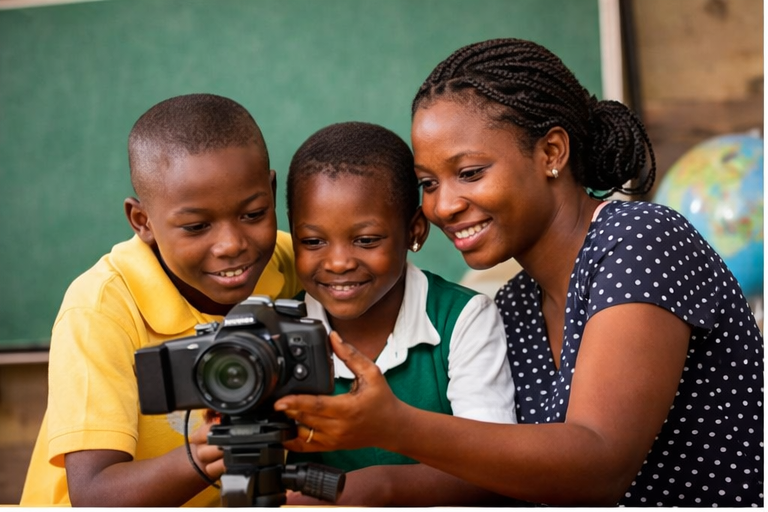
George emphasised that multimedia projects provide a powerful avenue for developing essential 21st-century skills.
Rather than simply receiving information, learners are empowered to express ideas, tell stories, and demonstrate understanding through digital media.
Effective multimedia project design
A key focus of the session was the importance of thoughtful planning when developing multimedia projects.
Participants learned that successful projects begin with clear learning objectives and a strong understanding of the intended audience. George encouraged educators to prioritise simplicity, clarity, and purposeful design, noting that effective multimedia content does not necessarily require sophisticated equipment or advanced technical expertise.
Teachers were reminded that the goal is not merely to use technology for its own sake but to create meaningful learning experiences that support curriculum objectives and learner engagement.
Exploring digital storytelling
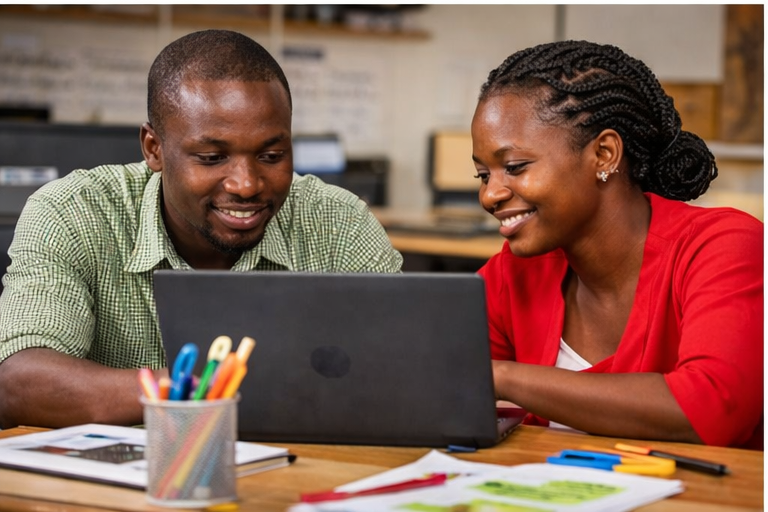
The session introduced participants to the basics of digital storytelling, a powerful instructional strategy that combines narrative techniques with multimedia elements such as images, audio, video, and text.
Digital storytelling enables learners to communicate ideas creatively while developing research, communication, and digital literacy skills. It can be applied across subjects, from documenting scientific investigations and historical events to creating language projects and community stories.
By integrating storytelling into classroom activities, educators can make learning more relatable, engaging, and learner-centred.
Hands-On learning with Canva
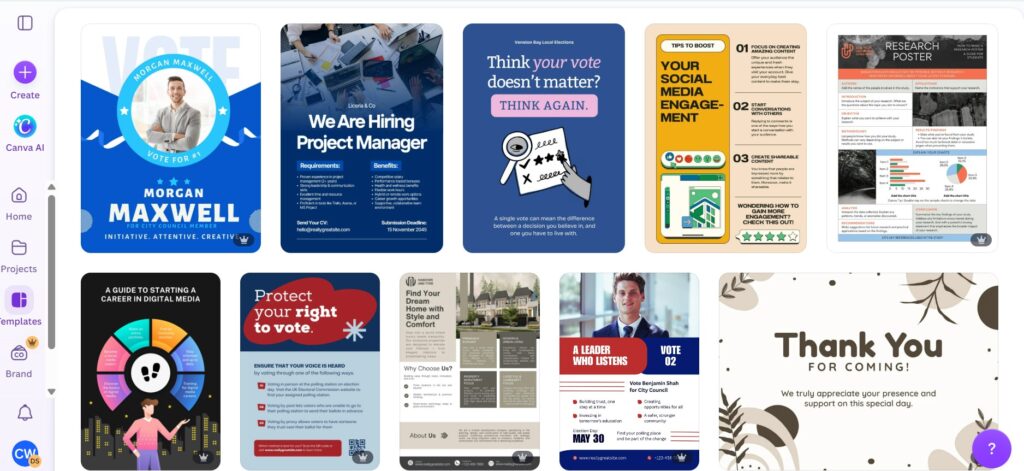
One of the practical highlights of the session was a step-by-step demonstration of Canva, a popular online design platform.
Participants learned how to:
- Access and navigate Canva
- Select design templates
- Create posters and infographics
- Edit text and visual elements
- Add images and graphics
- Download and share completed designs
George demonstrated how educators can use Canva to create visually appealing teaching materials, classroom posters, learner projects, and communication resources.
The session highlighted how well-designed visuals can improve communication and help learners present information in creative and meaningful ways.
Creating and editing videos with CapCut
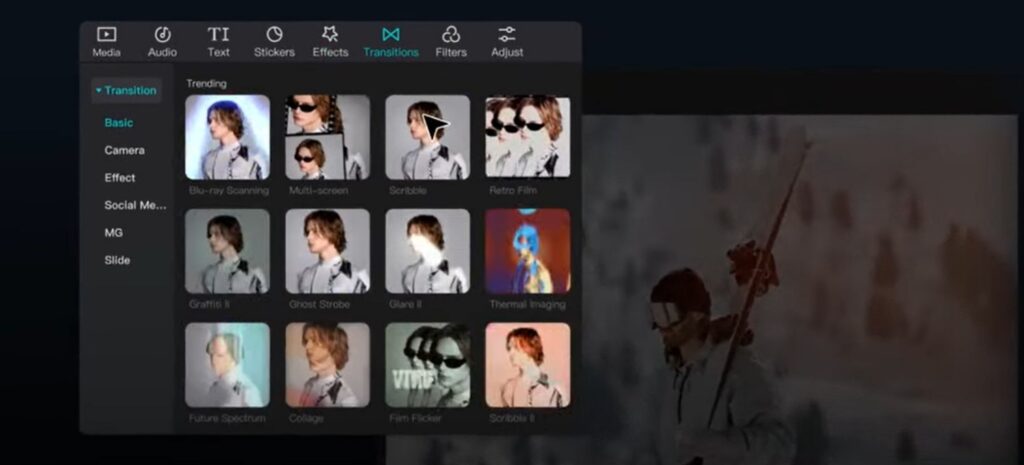
Recognising the growing importance of video content in education, participants were also introduced to CapCut, a user-friendly video editing application.
The demonstration covered several foundational video editing skills, including:
- Importing media files
- Trimming and arranging video clips
- Adding transitions
- Inserting text overlays
- Enhancing videos for instructional purposes
Educators discussed how video projects can support classroom instruction, learner presentations, project-based learning, and content creation.
By equipping learners with video production skills, teachers can help them develop both digital competence and creative confidence.
Screen recording with OBS Studio
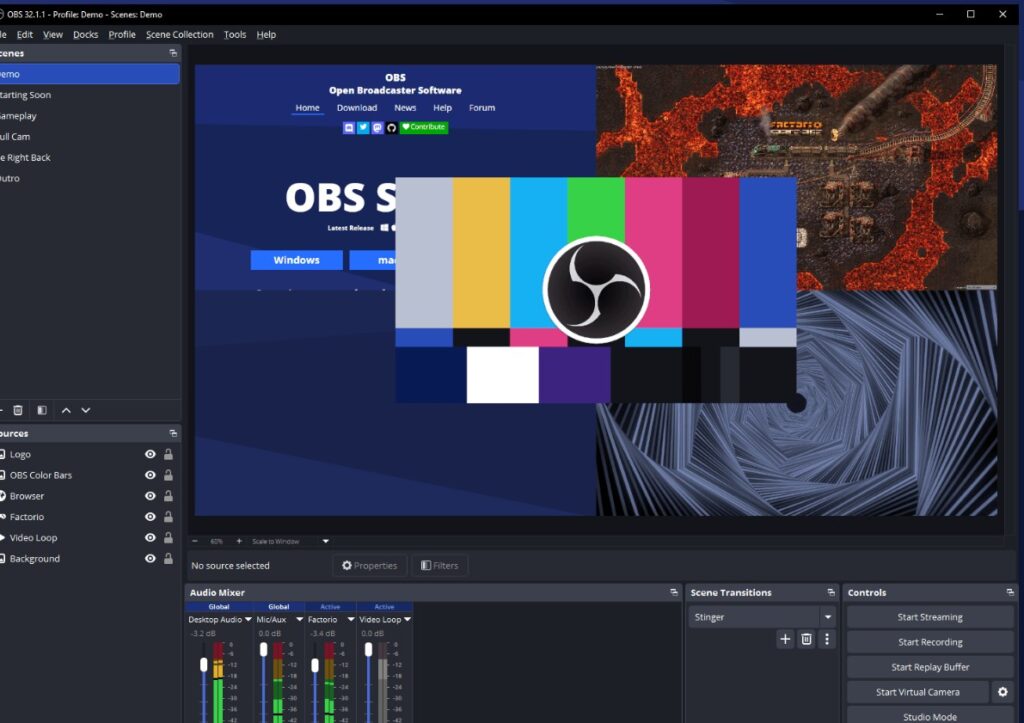
The session further explored the use of OBS Studio for screen recording and content creation.
Participants learned how screen recording can support:
- Creating instructional videos
- Recording demonstrations
- Developing online learning resources
- Delivering remote learning content
This practical introduction provided educators with additional options for producing digital learning materials and supporting blended learning environments.
Promoting creativity and 21st-Century skills
Throughout the session, George repeatedly emphasised that multimedia projects should not be viewed simply as technology activities. Rather, they are opportunities to nurture skills that learners need to thrive in today’s world.
When learners collaborate on multimedia projects, they practice teamwork, communication, creativity, critical thinking, and problem-solving. These experiences prepare them not only for academic success but also for future careers and lifelong learning.
The discussion encouraged educators to create learning environments where learners are empowered to experiment, innovate, and express themselves through digital tools.
You can watch the full episode below;
Looking Ahead
As the EdTech Exchange Series continues, this episode served as a timely reminder that meaningful technology integration is not about having the most advanced tools. It is about empowering educators and learners to create, communicate, and collaborate in new and exciting ways.
By embracing multimedia project design, educators can unlock opportunities for deeper learning, greater learner engagement, and the development of skills that will remain valuable far beyond the classroom.
For teachers seeking to make learning more interactive, creative, and learner-centered, multimedia projects offer a practical and accessible starting point for innovation.
This Article was produced by EduTech Teachers Network
Leave a Reply