
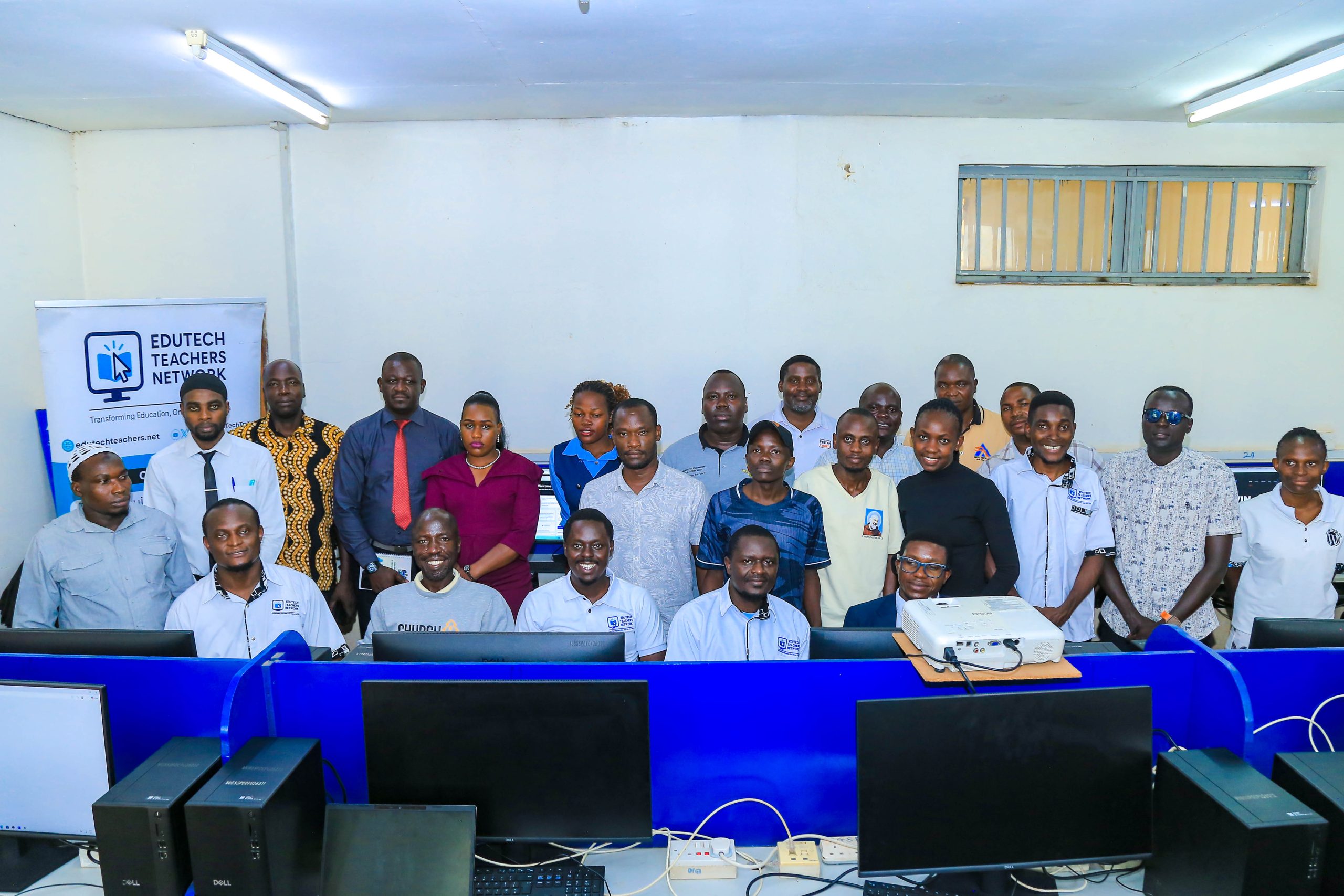
The workshop brought together educators for hands-on training in blended learning, e-learning systems, instructional video production, artificial intelligence, and digital teaching resources.
The EduTech Teachers Network (ETN) successfully held a one-day EdTech Capacity-Building Workshop for Tertiary Educators on Friday, 9 October 2026, at the MUBS ICT Centre in Bugolobi, Kampala. The event attracted a strong turnout of educators eager to strengthen their digital skills and explore practical ways to improve teaching, learning, and academic research through technology.
The workshop brought together lecturers, tutors, instructors, and other education practitioners for practical learning, knowledge sharing, and professional development. Participants explored how digital technologies can support blended learning, online course delivery, multimedia content creation, and the responsible use of artificial intelligence in education.
Organised under ETN’s commitment to transforming education through technology, the workshop focused on equipping educators with skills they can apply in their institutions to make learning more engaging, accessible, and effective.
Opening Session: Understanding Blended Learning and E-Learning Systems
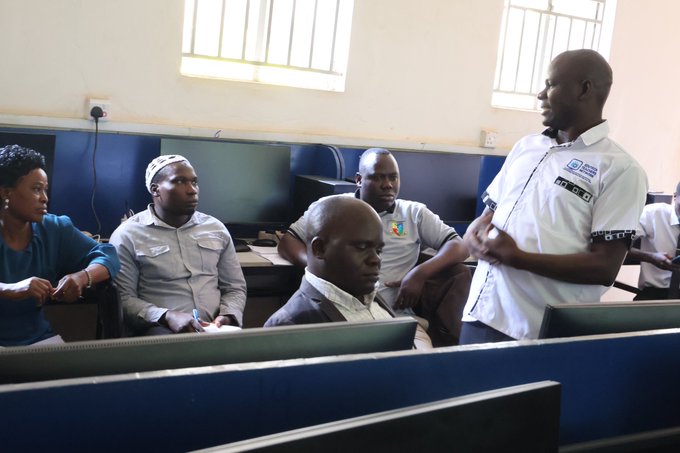
The workshop opened with a session led by Mr. Rogers Mukalele, National Chairperson of EduTech Teachers Network, who introduced participants to blended learning and e-learning systems.


The session explored how educators can combine face-to-face instruction with online learning to create flexible and engaging learning experiences. Participants were introduced to the role of digital learning platforms in organising course materials, managing assignments, supporting communication, and facilitating learner engagement beyond the physical classroom.
The session emphasised that successful technology integration goes beyond acquiring digital tools. Educators need to understand how to select and use these tools to support learning objectives, improve interaction, and respond to learners’ needs.
This provided a foundation for the practical sessions that followed, connecting digital teaching approaches with tools educators can use in their daily work.
Creating Instructional Videos with OBS Studio
One of the practical sessions was facilitated by Mr. George Emorut, who trained participants in video creation and recording using OBS Studio.
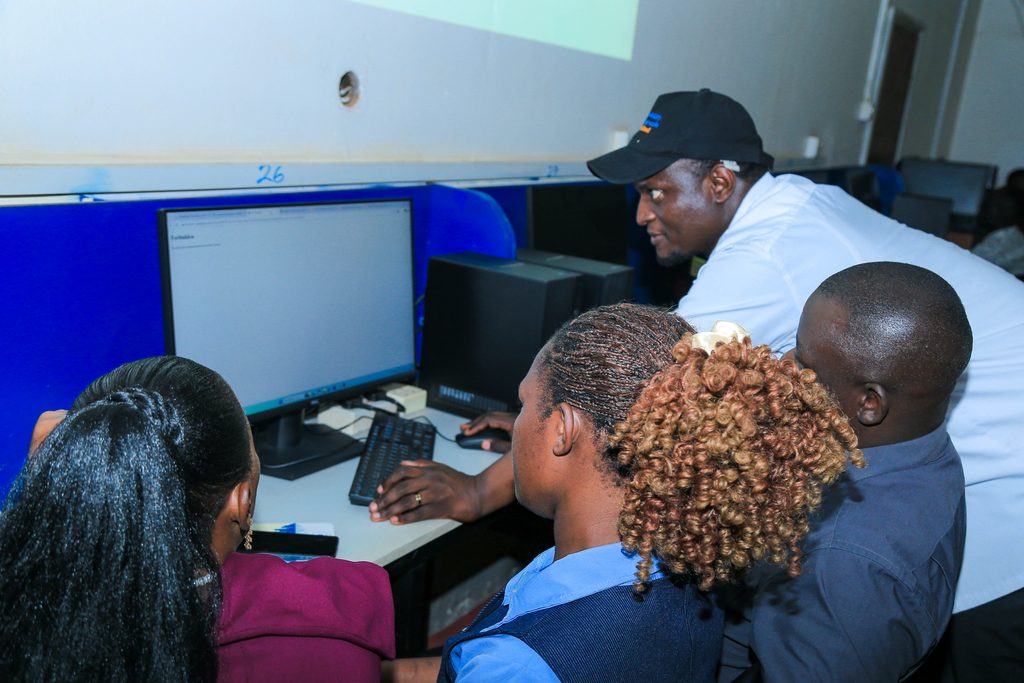
The session focused on screen recording and presentation capture, showing educators how to record their computer screens and presentations to create instructional videos.
Participants explored how such recordings can support online and blended learning by enabling educators to prepare reusable learning materials, explain difficult concepts, and provide resources that learners can revisit outside classroom hours.
The skills gained can help lecturers and tutors develop multimedia lecture resources for learning management systems and other digital platforms. They also provide a foundation for creating more engaging digital lessons without necessarily requiring expensive video production equipment.
Exploring Artificial Intelligence Tools for Teaching and Research
Mr. Ismail Kato led a session on artificial intelligence, introducing participants to different AI tools and explaining their uses in education.

The session moved beyond discussing AI in general to practical exploration of how educators can interact with these tools through effective prompting. Participants were guided through the process of giving AI systems clear instructions to obtain useful and relevant outputs.
Google NotebookLM was used as a practical example, helping participants explore how AI-powered tools can support work with learning materials and information.
The session highlighted opportunities for educators to use AI in preparing teaching resources, organising information, supporting research, and developing learning activities. It also reinforced the importance of using AI thoughtfully and responsibly, with educators retaining professional judgement over the content and materials they produce.
By engaging with the tools directly, participants gained practical exposure to AI applications that they can continue exploring and applying in their teaching and academic work.
Building Professional Online Portfolios Through Website Development
The final training session was led by Tr. Wogisha Denis Kruger, who introduced participants to website development, with a practical focus on creating personal portfolio websites for educators and other professionals.

He began with a brief introduction to websites and their relevance to educators, highlighting how a personal website can provide a professional online presence where teachers and lecturers can showcase their qualifications, teaching resources, publications, projects, achievements, and other professional work.
To make the session practical, each participant was provided with hosting space and a domain for training purposes, courtesy of Sharebility Web Services (webservices.sharebility.net). This gave participants an opportunity to practise website development using their own individual access details rather than simply observing a demonstration.
Tr. Kruger then guided participants through the process of accessing WordPress using the provided login credentials. The practical session introduced participants to the WordPress dashboard, reading settings, page settings, creating website pages, and installing a theme to customize the appearance of a website.
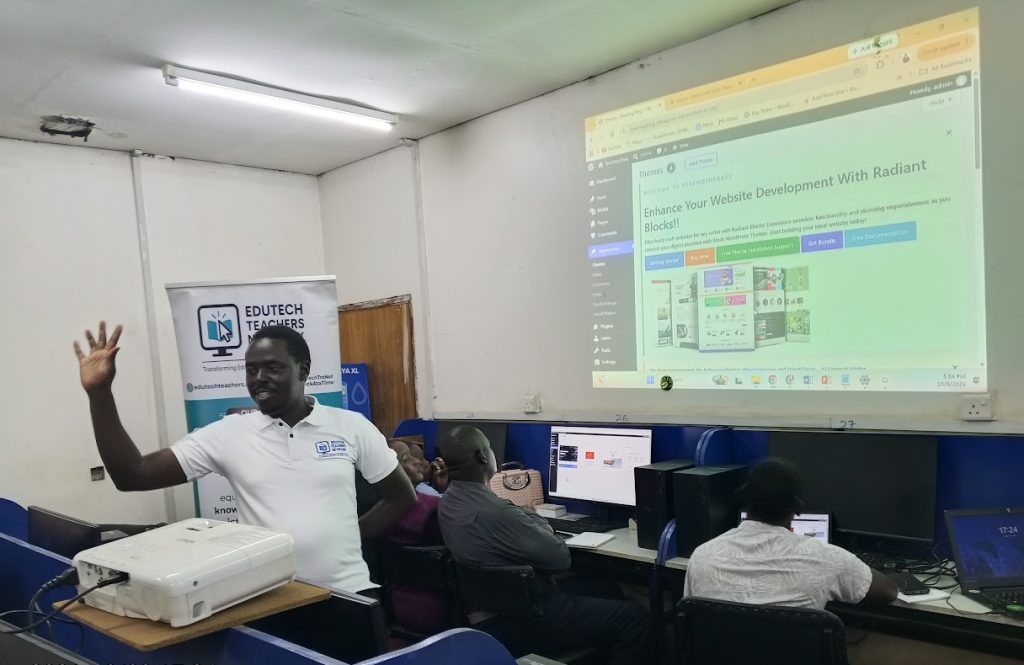
Using a personal portfolio website as the example, he challenged educators and other professionals to consider developing their own websites as a way of building their digital identity and presenting their work to a wider audience.
Although the available workshop time was not sufficient to complete every stage of website development, participants had the opportunity to begin working on their individual websites and familiarise themselves with the WordPress environment.
Recognizing the need for more time to complete the practical work, Tr. Kruger committed to continuing the training through one of ETN’s weekly virtual Zoom sessions. The date and further details of the follow-up session will be communicated to participants.
The session broadened the workshop’s focus beyond using existing digital tools to creating and managing digital platforms. For educators, these skills can support professional visibility, resource sharing, academic networking, and the development of a lasting online portfolio of their work.
Building Practical Skills for Digital Teaching
Across the workshop, the emphasis was on practical learning rather than theory alone. Participants had opportunities to engage with digital tools, follow demonstrations, and explore how the technologies could be applied in their own teaching environments.
The sessions addressed important areas of digital teaching practice, including:
- Blended learning: Combining classroom instruction with online learning experiences.
- E-learning systems: Using digital platforms to organise courses, assignments, and learner engagement.
- Instructional video production: Recording computer screens and presentations using OBS Studio.
- Artificial intelligence: Exploring AI tools, their applications, and effective prompting techniques.
- Digital learning resources: Creating materials that can support flexible learning and improve access to educational content.
Together, these areas provided participants with a broader understanding of how technology can support teaching, assessment, academic research, and professional development.
Strengthening the Capacity of Tertiary Educators
The workshop addressed a growing need for tertiary educators to develop practical digital competencies as universities, colleges, and other training institutions continue exploring blended and online learning approaches.
Educators who can confidently use digital tools are better positioned to create accessible learning resources, facilitate online engagement, and support learners beyond scheduled classroom sessions.
The practical focus of the workshop was particularly important because it allowed participants to see how tools such as OBS Studio and Google NotebookLM can be incorporated into everyday academic work.
The knowledge gained can also support collaboration among educators as they share resources, exchange experiences, and continue learning from one another.
For institutions, stronger digital teaching capacity can contribute to more flexible course delivery, improved access to learning materials, and the development of teaching approaches that respond to the changing needs of learners.
ETN’s Commitment to Continuous Professional Development
The successful workshop reflects EduTech Teachers Network’s continued commitment to equipping educators with the knowledge, skills, and support needed to integrate technology into teaching and learning.
Through professional development workshops and collaborative learning opportunities, ETN seeks to help educators move beyond basic technology use towards purposeful integration that improves educational practice.
The participation and engagement demonstrated during the workshop reinforced the value of creating spaces where educators can learn practical skills, exchange ideas, and discover tools that address real teaching challenges.
ETN will continue promoting professional learning opportunities that enable educators to explore emerging technologies and strengthen their digital teaching competencies.
Looking Ahead
As education continues to evolve, educators need opportunities to develop the skills required to use digital technologies effectively and responsibly. The MUBS ICT Centre workshop provided a practical step in that direction, bringing educators together to explore blended learning, e-learning systems, instructional video creation, and artificial intelligence.
The knowledge and skills gained during the event can help participants improve their teaching resources, expand learning opportunities, and contribute to more engaging educational experiences in their institutions.
EduTech Teachers Network appreciates the facilitators and participants whose contributions made the workshop possible. ETN also encourages educators to remain active in professional learning communities and take advantage of future opportunities to strengthen their digital skills.
Together, we can continue transforming education through technology—one click at a time.
About EduTech Teachers Network
EduTech Teachers Network (ETN) is a professional community committed to promoting the effective, inclusive, and sustainable use of education technology in teaching, learning, research, and school administration. Through training, workshops, and collaborative learning opportunities, ETN supports educators in developing the skills and confidence needed to integrate technology into educational practice.
Learn more: Visit the EduTech Teachers Network website at edutechteachers.org.
Contact: info@edutechteachers.net | +256 393 101 998
#EduTechTeachersNetwork #DigitalPedagogy #AIinEducation #BlendedLearning #E-Learning #1ClickAtaTime
Leave a Reply