
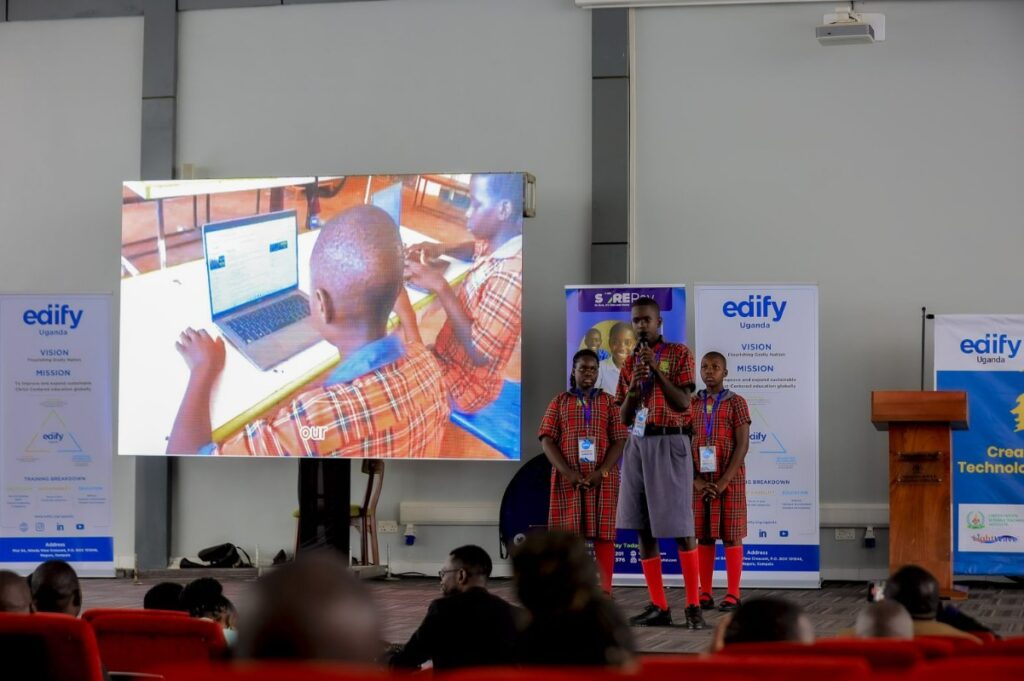
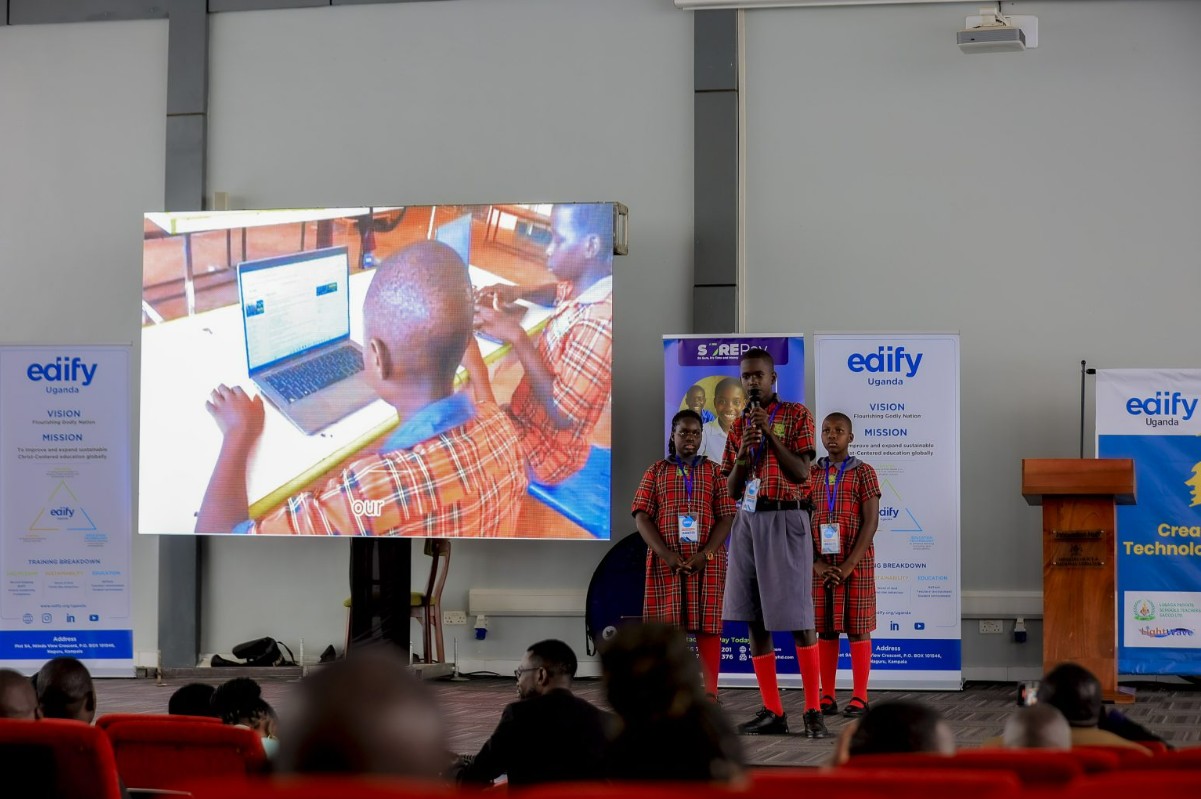
An innovative idea can solve a real-world problem. But unless learners can clearly explain what they’ve built, why it matters, and how it works, even the best projects can struggle to make an impression.
This was the central message of the 15th episode of EdTech Exchange yesterday, where educators, learners and EdTech enthusiasts gathered to explore one of the most important, yet often underestimated, skills in innovation: pitching.
Facilitated by Rogers Mukalele, Founder of Sharebility Uganda and an EdTech Innovation Mentor, the session equipped participants with practical strategies for preparing compelling pitch presentations ahead of the Edify EdTech Exhibition. While the discussion was geared towards exhibition participants, the lessons apply to any classroom where learners are encouraged to think creatively, solve problems and communicate their ideas with confidence.
Start with the problem, not the technology
One of the most common mistakes young innovators make is introducing the technology before explaining the problem.
Whether learners have designed a website, developed a mobile application, built a robotics prototype or produced a multimedia campaign, judges and indeed any audience first want to understand what challenge the project is trying to solve.
A strong pitch begins by helping the audience connect with a real issue affecting a school, community or society. Only then should learners explain how their solution responds to that challenge.
When learners understand the “why” behind their project, their presentation becomes more authentic and much easier for others to follow.
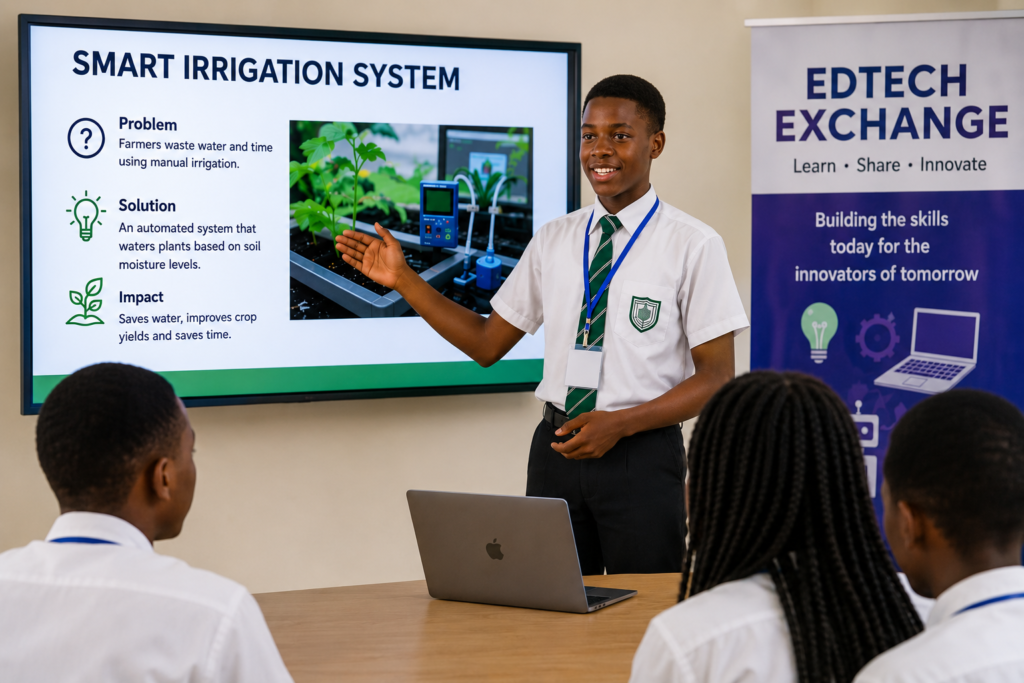
Tell a story, don’t read slides
Many presentations fail because learners try to fit everything they know onto a PowerPoint slide.
Instead, Rogers encouraged participants to think of their slides as visual guides rather than scripts.
An effective pitch should take the audience on a journey, from the problem to the solution, to how the project was developed, the technology used, and finally the impact it hopes to create. Images, diagrams and short demonstrations often communicate ideas more effectively than long paragraphs of text.
The goal isn’t to impress people with complicated slides. It’s to make complex ideas easy to understand.
Let the project speak for itself
Nothing builds confidence in a project like seeing it in action.
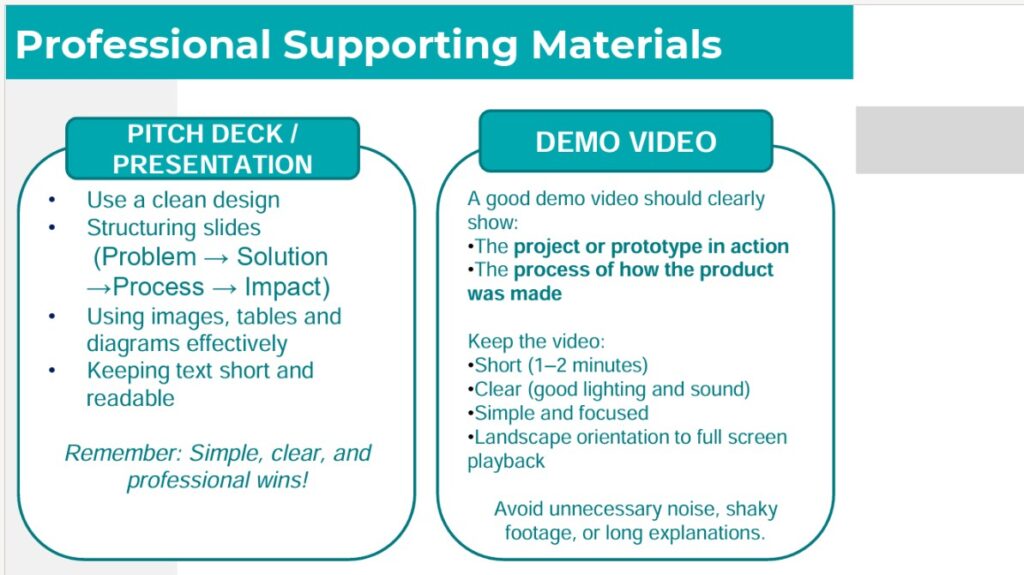
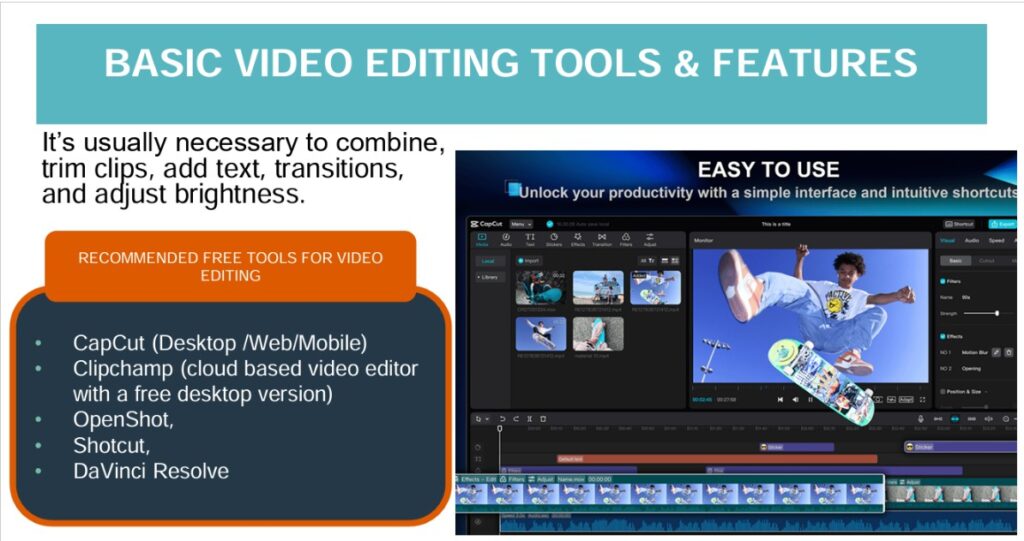
For this reason, learners were encouraged to prepare short demonstration videos that showcase their innovation from start to finish. Whether demonstrating a website, mobile app, robotics prototype or digital learning resource, a one- to two-minute video can help judges quickly understand what the project does and how it was created.
The session introduced learners to accessible editing tools including CapCut, Clipchamp, OpenShot, Shotcut, and DaVinci Resolve, proving that producing a professional demonstration doesn’t require expensive software.
For teachers mentoring innovation teams, encouraging learners to document their development process can make creating these videos much easier.
Build with the judging criteria in mind
Preparing for an innovation exhibition doesn’t begin a week before the event; it starts the moment learners begin designing their project.
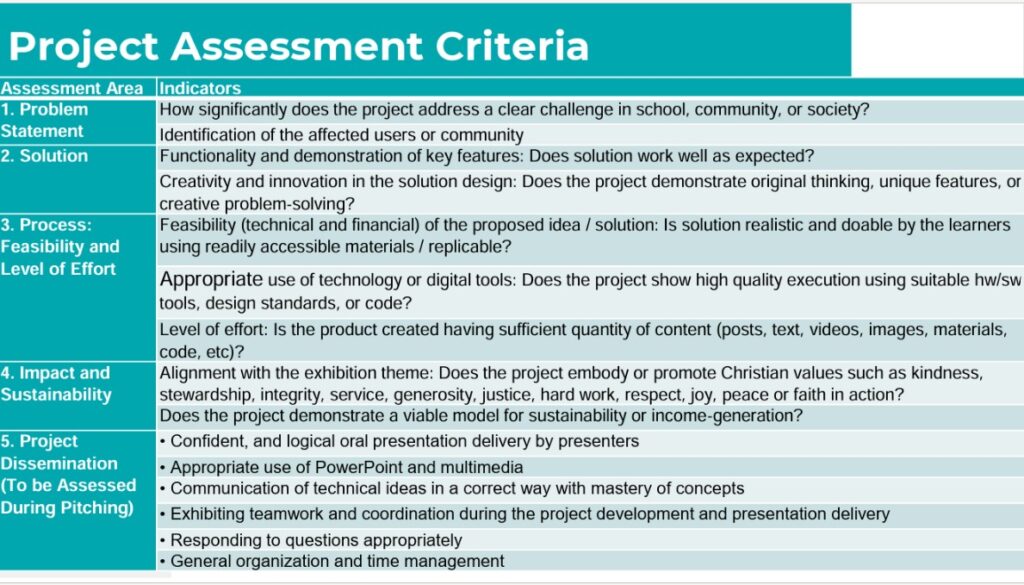
During the webinar, Rogers unpacked the criteria that judges use to eediting
valuate projects, reminding participants that successful innovations combine creativity with purpose.
Projects are assessed on several areas, including the significance of the problem being addressed, the originality and functionality of the solution, technical quality, feasibility, effort invested, sustainability and the team’s ability to confidently communicate their ideas.
Understanding these expectations early helps learners make better design decisions throughout the project rather than trying to improve everything at the last minute.
Confidence comes from preparation
Even the most brilliant innovation can be overshadowed by poor delivery. One of the strongest messages from the session was simple: practice matters.
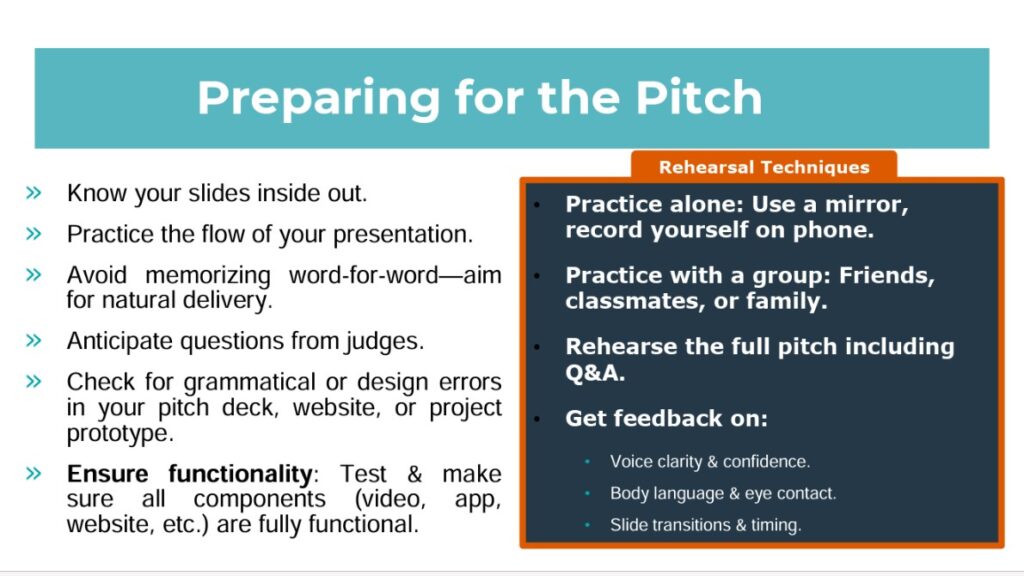
Learners were encouraged to rehearse their presentations repeatedly, test every aspect of their project before exhibition day, anticipate questions from judges and seek feedback from classmates and teachers.
Rather than memorising speeches word for word, they were advised to understand their projects deeply enough to explain them naturally and confidently.
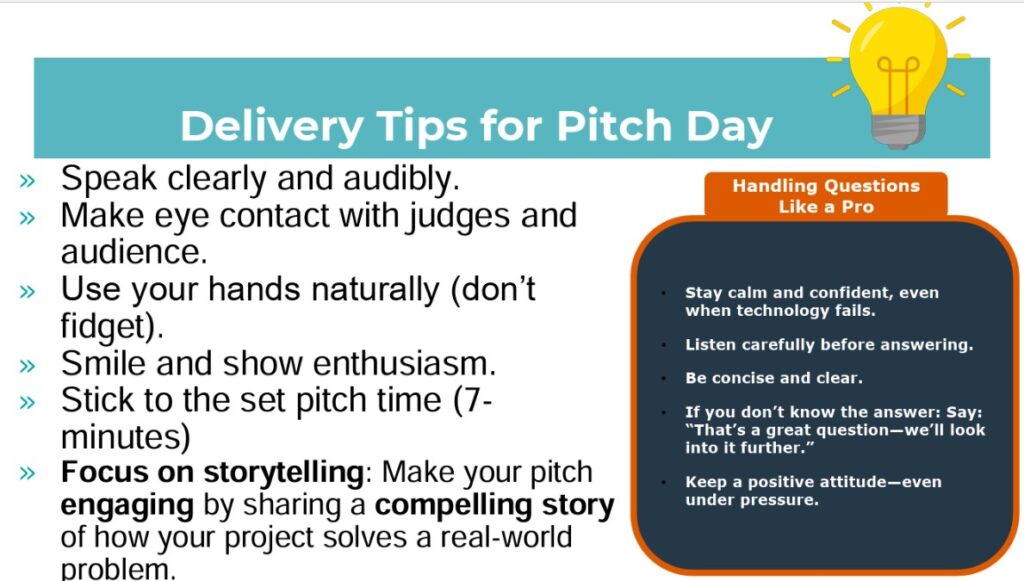
Good eye contact, clear speech, effective body language and good time management can make the difference between a presentation that is merely informative and one that truly inspires.
Expect the unexpected
Technology doesn’t always cooperate.
A website may refuse to load. A projector might stop working. Internet connectivity can fail at the worst possible moment.
Instead of allowing these situations to derail a presentation, Rogers encouraged learners to prepare for them.
Carrying offline copies of presentations, storing videos on multiple devices, printing essential materials and shortening long web links are simple precautions that can save valuable presentation time and reduce unnecessary stress.
Being prepared isn’t just about avoiding problems; it’s about demonstrating professionalism.
Every pitch is an opportunity to learn
Winning an exhibition is exciting, but it isn’t the only measure of success.
Every presentation helps learners develop communication, critical thinking, teamwork and problem-solving skills that extend far beyond the classroom. Whether learners receive first prize or constructive feedback from judges, each experience contributes to their growth as innovators and confident communicators.
As Rogers reminded participants during the session, innovation is a journey. Every project refined, every question answered and every presentation delivered prepares learners for even greater opportunities in the future.
Preparing learners for more than competitions
The Edify EdTech Exhibition provides an exciting platform for showcasing student innovation, but the real value lies in the skills learners develop along the way.
When teachers help learners identify meaningful problems, think critically, collaborate effectively and communicate their ideas with confidence, they are preparing them for much more than a competition. They are nurturing young people who can lead, innovate and create solutions that make a positive difference in their communities.
The real test of these lessons is just around the corner. On 12 July 2026, the Edify EdTech Exhibition 2026 will bring together some of Uganda’s brightest young innovators at the Makerere University School of Public Health Auditorium in Wandegeya. After months of learning, mentoring, designing, building, and refining their ideas, learners from primary and secondary schools across the country will take to the exhibition floor to showcase technology-driven solutions that address real challenges in their schools and communities.
Whether you’re cheering from the audience or engaging with learners at the exhibition stands, prepare to be inspired by what Uganda’s young minds are capable of creating.
This article was produced by EduTech Teachers Network
Leave a Reply