Technology is transforming education, but effective ICT integration is not just about having computers, projectors, or internet access. It is about using available digital tools to make teaching more efficient, lessons more engaging, and learning more meaningful.
Whether you teach in a well-equipped school or a low-resource classroom, technology can support every stage of the teaching process, from lesson preparation to classroom instruction and learner assessment.
During yesterday’s EdTech Exchange, educators unpacked practical, low-cost ways to integrate ICT before, during, and after teaching, demonstrating how even simple tools like smartphones can improve lesson preparation, learner engagement, and assessment. Watch the full session below, then explore the key insights from the discussion.
Before: Use ICT to plan smarter
Good lessons begin with good preparation. ICT tools can help teachers save time, access quality content and create engaging learning materials.
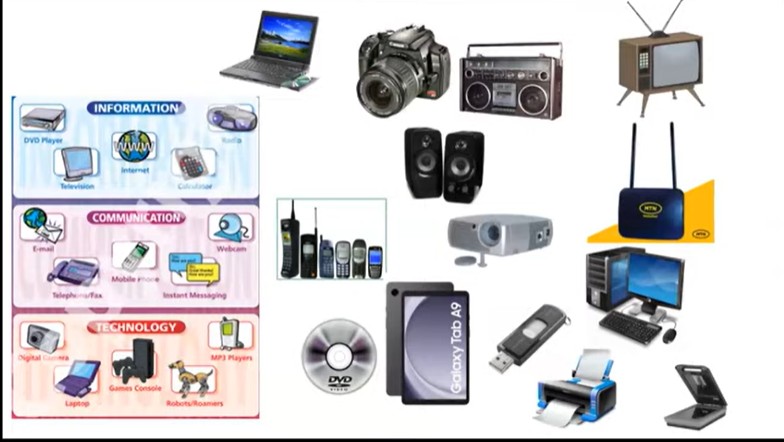
A smartphone, laptop, or shared school computer can be used to research content, develop lesson plans, create worksheets and design visual learning materials. Tools such as PowerPoint and Canva allow teachers to create presentations, posters, and diagrams that make complex concepts easier to understand.
Teachers can also access digital learning resources, educational videos and open educational content to enrich their lessons. Collaborating with fellow educators through WhatsApp groups and online communities can further support lesson preparation by enabling the sharing of schemes of work, lesson notes and teaching resources.
The goal is simple: use technology to prepare lessons that are organized, interactive and relevant to learners.
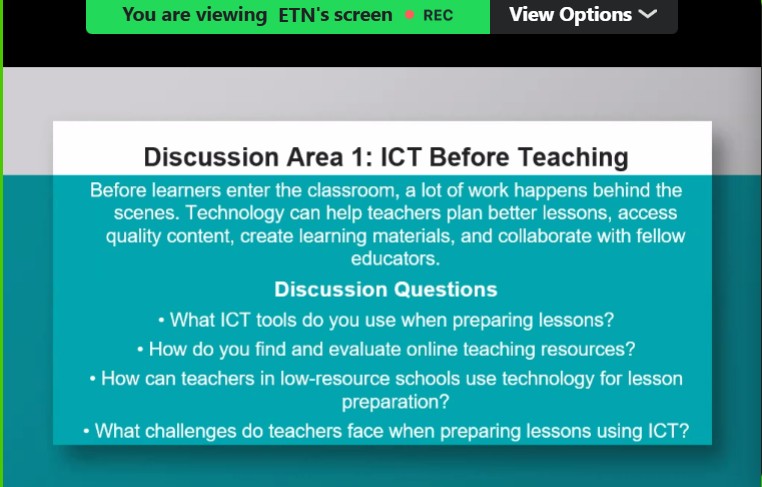
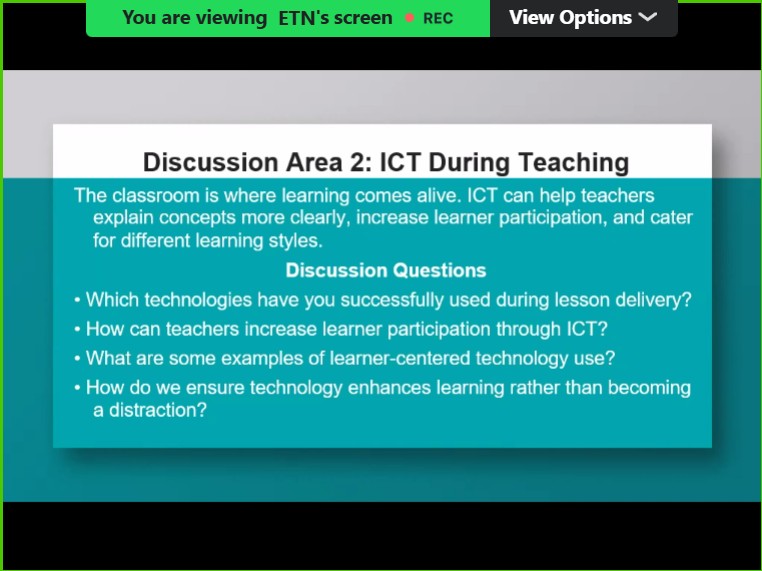
During: Make learning more interactive
Technology can help transform learners from passive listeners into active participants.
Presentation slides, videos, images and digital demonstrations can make lessons more engaging and easier to understand. Even a basic smartphone can be used to display educational content, record demonstrations, or capture learner work for classroom discussions.
One effective approach is the flipped classroom model, where learners access learning materials before class through digital platforms. This allows classroom time to focus on discussion, collaboration and problem-solving rather than content delivery alone.
Teachers can also encourage learner participation through quizzes, group discussions, peer teaching and interactive activities supported by digital tools.
The most important lesson is that ICT should enhance learning, not replace good teaching practices.
After: Support assessment and continuous learning
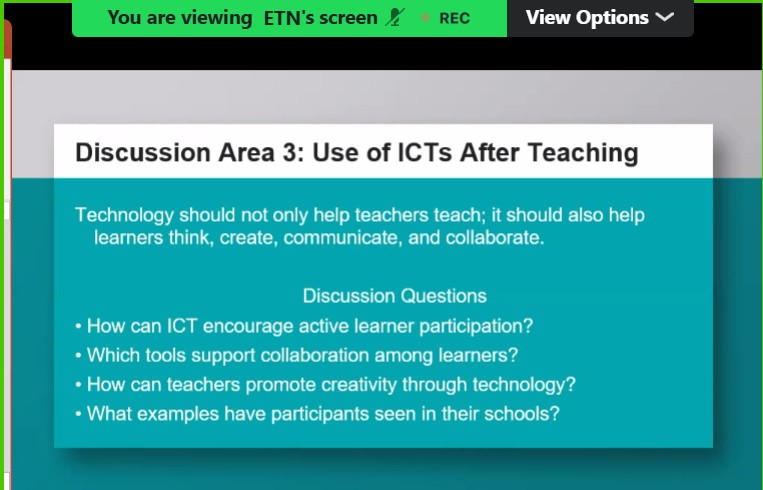
Teaching does not end when the lesson is over.
ICT can simplify assessment, feedback and learner follow-up. Digital tools can help teachers create quizzes, track learner progress and provide timely feedback. Messaging platforms such as WhatsApp can be used to share revision materials, answer learner questions and provide additional support outside the classroom.
Teachers can also record short audio or video explanations that learners can revisit when revising. This extends learning beyond classroom walls and gives students opportunities to learn at their own pace.
Emerging technologies such as artificial intelligence tools can further support teachers by helping generate assessment questions, learning scenarios and teaching ideas that can be adapted to local classroom contexts.
You don’t need expensive technology to get started
One of the biggest misconceptions about ICT integration is that it requires expensive equipment and advanced technology.
In reality, many effective digital teaching practices can begin with a smartphone, a shared computer, or freely available educational resources. What matters most is not the technology itself, but how teachers use it to improve learning experiences and outcomes.
By integrating ICT before, during and after teaching, educators can save time, improve learner engagement and create more inclusive and effective learning environments.
Technology is not a separate part of teaching, it is a tool that can strengthen every stage of the teaching and learning process.
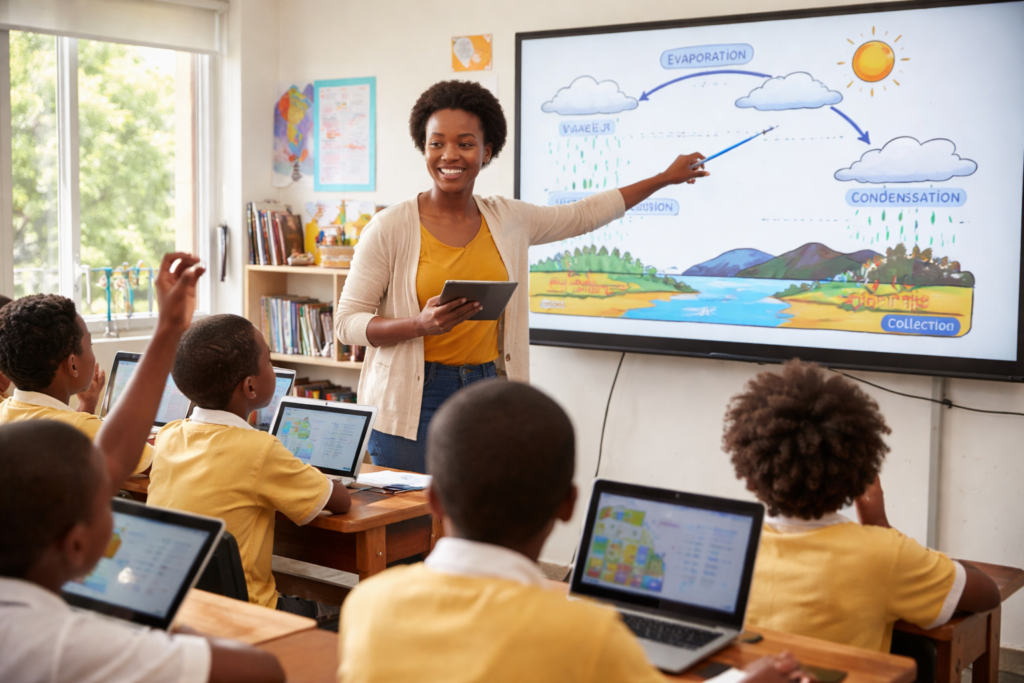
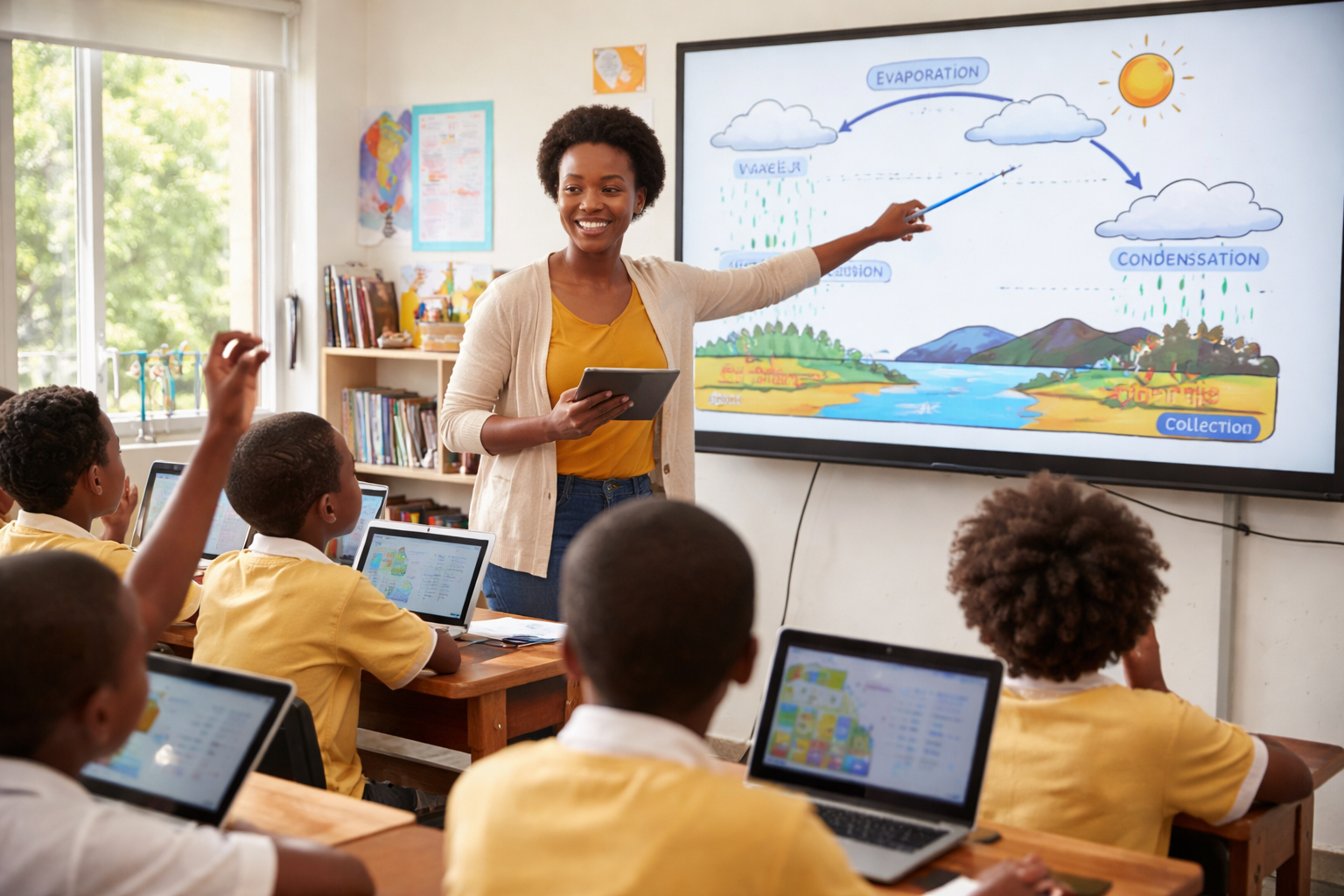
This article was developed by EdTech Teachers Network. The feature image is AI generated
Leave a Reply